
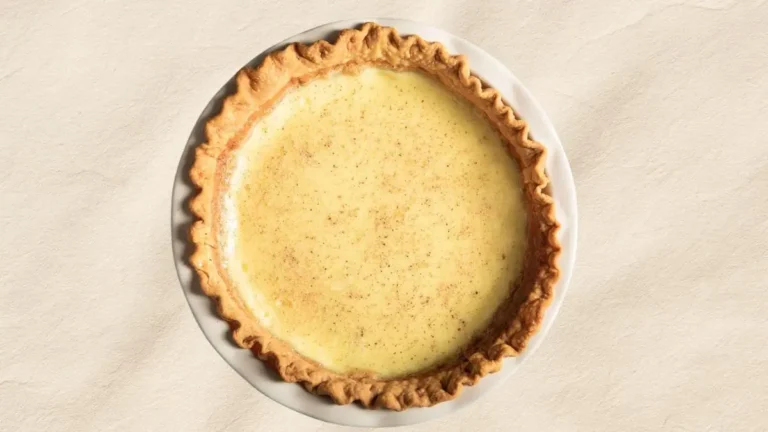

There’s something magical about a classic Southern egg custard pie that brings back memories of grandmother’s kitchen. This Brenda Gantt egg custard pie recipe captures that nostalgic charm with its silky-smooth filling and buttery pat-in-the-pan crust.
Known for her authentic Southern cooking style, Brenda Gantt has perfected this traditional dessert that’s been gracing Southern tables for generations.
Whether you’re recreating childhood memories or discovering this timeless treat for the first time, this copycat Brenda Gantt egg custard pie recipe delivers old-fashioned goodness with simple pantry ingredients.
The best part? You don’t need fancy equipment or rolling pins-just your hands and a little Southern know-how.
What Does It Taste Like?
This Brenda Gantt egg custard pie offers a delicate balance of creamy sweetness with warm vanilla undertones and a gentle nutmeg kiss. The texture is incredibly smooth and silky, similar to a baked custard or flan, but with a slightly firmer set that slices beautifully.

The buttery, tender crust provides a perfect contrast to the velvety filling-not too sweet, not too rich, just perfectly balanced comfort food. Each bite melts on your tongue with that nostalgic, home-baked quality that reminds you of Sunday dinners and special occasions.
The subtle warmth from nutmeg adds depth without overwhelming the pure, simple flavors that make this Southern classic so beloved.
Brenda Gantt Egg Custard Pie Recipe Ingredients
For the Pat-in-the-Pan Pie Crust:
- 1½ cups all-purpose flour (White Lily preferred for tender texture)
- 2 tablespoons granulated sugar
- ½ teaspoon salt
- ½ cup vegetable oil
- 3½ tablespoons whole milk
For the Egg Custard Filling:
- 4 large eggs (room temperature works best)
- 1 cup granulated sugar
- ½ stick (¼ cup) butter, melted and slightly cooled
- 2 cups whole milk
- 1 teaspoon vanilla extract
- ½ teaspoon ground nutmeg
Essential Kitchen Utensils
- 9-inch deep-dish pie plate (ungreased)
- Medium mixing bowls (2)
- Wire whisk
- Fork
- Measuring cups and spoons
- Ladle or large spoon
- Cooling rack
Preparation and Cooking Time
Prep Time: 20 minutes
Crust Pre-Baking: 12-15 minutes
Custard Baking: 40-45 minutes
Cooling Time: 3-4 hours (or overnight)
Total Time: Approximately 5 hours (including cooling)
Servings: 8-10 slices
Step-by-Step Brenda Gantt Egg Custard Pie Recipe Instructions
Making the Pat-in-the-Pan Crust:
Step 1: Preheat your oven to 375°F. Take your ungreased 9-inch pie plate and set it aside-no greasing needed for this crust.
Step 2: Directly in the pie plate, combine 1½ cups flour, 2 tablespoons sugar, and ½ teaspoon salt. Use a fork to mix these dry ingredients together until evenly distributed.
Step 3: Pour the ½ cup vegetable oil over the flour mixture. Use your fork to mix it in, working it through until the mixture looks crumbly and resembles coarse sand. This creates pockets of fat that make the crust tender.
Step 4: Add the milk gradually, about 1 tablespoon at a time, mixing with your fork after each addition. You’re looking for a soft dough that holds together when pressed. You might not need all the milk-stop when the dough forms a cohesive ball that’s moist but not sticky.
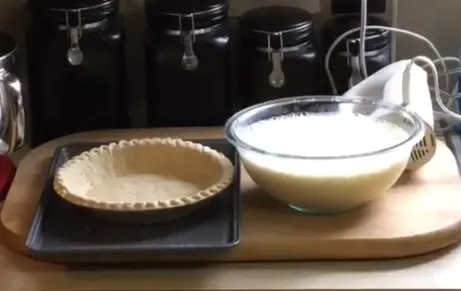
Step 5: Using your fingers, press the dough evenly across the bottom of the pie plate and up the sides. Work methodically to keep an even thickness throughout. Pay special attention to where the bottom meets the sides-press a little thinner there to prevent a thick, doughy spot.
Step 6: If desired, crimp or flute the edges by pinching the dough between your thumb and forefinger all around the rim for a decorative finish.
Step 7: Pre-bake the crust for 12-15 minutes until it looks set and slightly dry but not fully browned. This partial baking prevents a soggy bottom when you add the custard filling. Remove and let cool slightly while you prepare the filling.
Preparing the Egg Custard Filling:
Step 8: In a medium bowl, crack 4 eggs and beat them vigorously with a wire whisk using an up-and-down motion. This incorporates air and breaks up the eggs completely, creating a smooth custard base. Whisk for about 30-45 seconds until the eggs are uniformly yellow.
Step 9: Add 1 cup sugar to the beaten eggs and whisk until the mixture is smooth and the sugar begins to dissolve. The mixture should look pale yellow and slightly thickened.
Step 10: Pour in the melted butter (make sure it’s cooled slightly so it doesn’t scramble the eggs) and whisk thoroughly until fully incorporated.

Step 11: Slowly add the 2 cups of whole milk while whisking constantly. Pour in a steady stream to prevent curdling and ensure a silky-smooth custard mixture.
Step 12: Stir in 1 teaspoon vanilla extract and ½ teaspoon ground nutmeg. Mix well, making sure the nutmeg is evenly distributed throughout the custard.
Baking the Custard Pie:
Step 13: Allow the pre-baked crust to cool for just 2-3 minutes-it should still be warm but not scorching hot. This temperature helps the custard begin setting at the edges immediately.
Step 14: Give your custard mixture a final stir to redistribute the nutmeg, then carefully ladle or pour it into the warm crust. Fill almost to the top, leaving just a tiny bit of space to prevent overflow. The pie will be very full and jiggly, so work slowly.
Step 15: Carefully transfer the filled pie to the oven. Move slowly and steadily to avoid sloshing. Increase the oven temperature to 400°F and bake for exactly 10 minutes. This initial high heat helps set the edges.
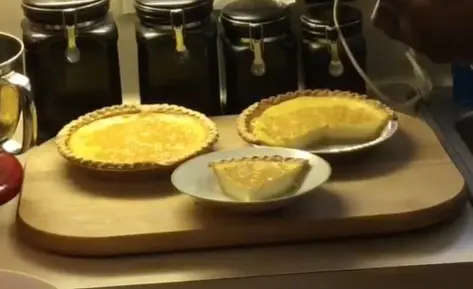
Step 16: After 10 minutes, reduce the oven temperature to 325-350°F. Continue baking for another 30-35 minutes, for a total custard baking time of 40-45 minutes. You’re looking for a custard that’s mostly set with just a slight jiggle in the very center (about the size of a quarter) when you gently shake the pan.
Step 17: Remove the pie from the oven when there’s still that small wobble in the center-it will continue cooking from residual heat and will firm up as it cools. Overbaking creates a rubbery texture, so err on the side of a little jiggle.
Step 18: Let the pie cool completely on a wire rack for at least 1 hour at room temperature, then refrigerate for several hours or overnight before serving. This chilling time allows the custard to set properly for clean slicing.
Customization and Pairing Ideas for Serving
1. Coconut Custard Variation: Add ½ cup sweetened shredded coconut to the custard filling before baking for a tropical twist on this classic. The coconut sinks slightly during baking, creating a lovely texture throughout. You can also toast some coconut flakes and sprinkle on top before serving for extra visual appeal and nutty flavor.
2. Chocolate Drizzle Elegance: Once the pie is completely cooled, drizzle melted dark or semi-sweet chocolate across the top in a decorative pattern. This adds a touch of sophistication and pairs beautifully with the vanilla custard. You can also dust with cocoa powder for a more subtle chocolate note.
3. Fresh Berry Topping: Serve individual slices topped with fresh strawberries, blueberries, or raspberries and a dollop of whipped cream. The tartness of fresh berries cuts through the richness of the custard beautifully. A light strawberry or raspberry sauce also makes an elegant presentation for special occasions.
4. Bourbon Caramel Sauce: For an adult twist, drizzle warm bourbon caramel sauce over each slice. The deep caramel notes complement the vanilla and nutmeg while adding a Southern flair. This pairing is perfect for dinner parties or holiday gatherings.
5. Coffee or Tea Pairing: This pie shines when served alongside a strong cup of black coffee or Southern sweet tea. The beverage cuts the sweetness and enhances the subtle spice notes. Earl Grey tea with its bergamot notes is particularly complementary to the vanilla and nutmeg flavors.
6. Lemon Zest Brightness: Add 1 teaspoon of freshly grated lemon zest to the custard filling for a citrus variation that brightens the entire dessert. The lemon doesn’t overpower but adds a subtle freshness that makes the pie feel lighter and more complex.

7. Spiced Cream Topping: Make a cinnamon or nutmeg-spiced whipped cream by adding ¼ teaspoon of spice to 1 cup of heavy cream while whipping. This echoes the warm spices in the custard and creates a beautiful layered flavor experience. Garnish with a light dusting of nutmeg for visual appeal.
Expert Tips for Perfect Custard Pie
1. Temperature Matters for Ingredients: Use room temperature eggs and milk for the smoothest custard texture. Cold ingredients can cause the melted butter to solidify into tiny bits, creating an uneven texture. Let eggs sit out for 30 minutes before starting, or place them in warm water for 5-10 minutes to bring them to temperature quickly.
2. The Whisking Technique is Crucial: When beating eggs, use an up-and-down whisking motion rather than a circular stirring motion. This technique incorporates more air and breaks up the egg proteins more thoroughly, resulting in a silkier, more uniform custard without lumps. Whisk vigorously for at least 30 seconds.
3. Don’t Skip the Crust Pre-Baking: Partially baking the crust before adding the custard is essential for preventing a soggy bottom. This step creates a moisture barrier and gives the crust structure. The crust should look dry and set but only lightly colored-not golden brown, as it will continue baking with the filling.
4. Master the Jiggle Test: The key to perfect custard is removing it from the oven at just the right moment. When you gently shake the pan, the center should jiggle like gelatin-about the size of a quarter. The edges should be completely set. Remember, the custard continues cooking from residual heat after removal, so it’s better to slightly underbake than overbake.
5. Prevent Cracks with Gentle Heat: The two-temperature baking method (starting high, then reducing) is crucial. The initial 400°F blast helps set the custard structure quickly, while the lower temperature allows gentle, even cooking that prevents cracking and curdling. Avoid opening the oven door frequently, as temperature fluctuations can cause cracks.
6. Distribute Nutmeg Evenly: Nutmeg tends to settle at the bottom of the custard mixture while you’re working. Give the filling a gentle stir right before pouring it into the crust, and stir it once or twice while ladling to ensure even nutmeg distribution throughout the pie. Too much nutmeg can overpower the delicate custard flavor, so measure carefully.
7. Patience with Cooling and Chilling: This is perhaps the hardest tip to follow, but also the most important. Cutting into a warm custard pie results in a soupy mess. The custard needs time to cool at room temperature (at least 1 hour) and then thorough chilling in the refrigerator (3-4 hours minimum, overnight is ideal) to set properly. The wait is absolutely worth it for clean, beautiful slices that hold their shape.

Storage and Reheating Guidance
Store your Brenda Gantt egg custard pie covered with plastic wrap or aluminum foil in the refrigerator for up to 4 days. The custard is best served cold or at cool room temperature-no reheating necessary. In fact, this pie should never be reheated as it can break the custard’s delicate texture. Simply remove from the refrigerator 15-20 minutes before serving if you prefer it less chilled.
Common Queries and FAQs
Q: Can I make this egg custard pie without pre-baking the crust?
A: While you technically can, pre-baking is highly recommended for this recipe to prevent a soggy bottom. The custard filling is quite liquid, and without that initial crust baking, the bottom tends to stay pale, undercooked, and doughy. The 12-15 minute pre-bake creates a moisture barrier that ensures a crisp, fully cooked crust.
Q: Why is my custard pie watery or not setting properly?
A: This usually happens from underbaking or using low-fat milk instead of whole milk. Make sure you bake until there’s just a slight jiggle in the center-not the whole pie wobbling. Also, ensure you’re using whole milk (not 2% or skim) as the fat content is crucial for proper setting. Finally, the pie must be thoroughly chilled for several hours to fully set.
Q: Can I freeze egg custard pie?
A: Custard pies don’t freeze well because the texture changes dramatically when thawed-the custard tends to weep and separate, becoming grainy and watery. This pie is best enjoyed fresh within 3-4 days of baking. If you need to make it ahead, bake it 1-2 days before serving and keep refrigerated.
Q: What causes cracks in the top of my custard pie?
A: Cracks typically form from overbaking or baking at too high a temperature for too long. The two-temperature method in this recipe (starting at 400°F for 10 minutes, then reducing to 325-350°F) helps prevent this. Also, avoid opening the oven door frequently during baking, as temperature fluctuations cause cracking. Remember to remove the pie when it still has a slight jiggle.
Q: Can I use a store-bought pie crust instead of making the pat-in-the-pan crust?
A: Absolutely! A store-bought refrigerated pie crust or frozen pie shell works fine. However, you’ll still want to partially pre-bake it (follow package directions for par-baking) before adding the custard filling. Brenda’s pat-in-the-pan crust is wonderfully easy and tender, so it’s worth trying, but a store-bought crust makes this recipe even simpler.
Q: What’s the difference between egg custard pie and chess pie?
A: While similar, egg custard pie is typically lighter and uses more milk, creating a smoother, creamier texture. Chess pie often includes cornmeal, vinegar, or more butter, resulting in a denser, sweeter filling with a slightly different texture on top. Egg custard pie is more delicate and focuses on the pure custard flavor with subtle nutmeg and vanilla.
Q: My crust is too crumbly and won’t hold together. What did I do wrong?
A: This means you need a bit more liquid. Add milk very gradually-just ½ tablespoon at a time-mixing with a fork until the dough just comes together. Humidity and flour brands affect absorption, so you may need slightly more or less milk than the recipe states. The dough should be soft and pliable, not dry and crumbly, but also not sticky.
Q: Can I reduce the sugar in this recipe?
A: You can reduce it slightly (by 2-3 tablespoons) if you prefer a less sweet custard, but don’t cut it by more than that. Sugar doesn’t just provide sweetness-it also affects the custard’s texture and helps it set properly. Reducing it too much can result in a custard that doesn’t firm up correctly.
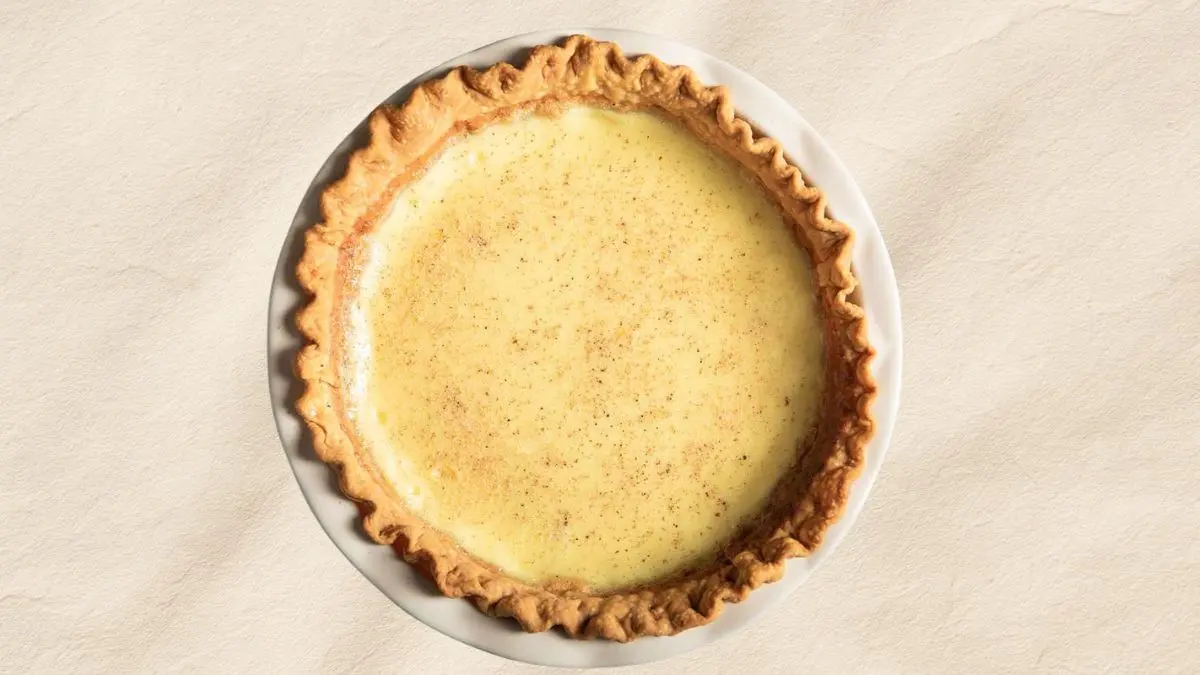
Brenda Gantt Egg Custard Pie Recipe
Ingredients
Method
- Preheat your oven to 375°F. Take your ungreased 9-inch pie plate and set it aside-no greasing needed for this crust.
- Directly in the pie plate, combine 1½ cups flour, 2 tablespoons sugar, and ½ teaspoon salt. Use a fork to mix these dry ingredients together until evenly distributed.
- Pour the ½ cup vegetable oil over the flour mixture. Use your fork to mix it in, working it through until the mixture looks crumbly and resembles coarse sand. This creates pockets of fat that make the crust tender.
- Add the milk gradually, about 1 tablespoon at a time, mixing with your fork after each addition. You’re looking for a soft dough that holds together when pressed. You might not need all the milk-stop when the dough forms a cohesive ball that’s moist but not sticky.
- Making the Pat-in-the-Pan Crust
- Using your fingers, press the dough evenly across the bottom of the pie plate and up the sides. Work methodically to keep an even thickness throughout. Pay special attention to where the bottom meets the sides-press a little thinner there to prevent a thick, doughy spot.
- If desired, crimp or flute the edges by pinching the dough between your thumb and forefinger all around the rim for a decorative finish.
- Pre-bake the crust for 12-15 minutes until it looks set and slightly dry but not fully browned. This partial baking prevents a soggy bottom when you add the custard filling. Remove and let cool slightly while you prepare the filling.
- In a medium bowl, crack 4 eggs and beat them vigorously with a wire whisk using an up-and-down motion. This incorporates air and breaks up the eggs completely, creating a smooth custard base. Whisk for about 30-45 seconds until the eggs are uniformly yellow.
- Add 1 cup sugar to the beaten eggs and whisk until the mixture is smooth and the sugar begins to dissolve. The mixture should look pale yellow and slightly thickened.
- Pour in the melted butter (make sure it’s cooled slightly so it doesn’t scramble the eggs) and whisk thoroughly until fully incorporated.
- Slowly add the 2 cups of whole milk while whisking constantly. Pour in a steady stream to prevent curdling and ensure a silky-smooth custard mixture.
- Stir in 1 teaspoon vanilla extract and ½ teaspoon ground nutmeg. Mix well, making sure the nutmeg is evenly distributed throughout the custard.
- Allow the pre-baked crust to cool for just 2-3 minutes-it should still be warm but not scorching hot. This temperature helps the custard begin setting at the edges immediately.
- Give your custard mixture a final stir to redistribute the nutmeg, then carefully ladle or pour it into the warm crust. Fill almost to the top, leaving just a tiny bit of space to prevent overflow. The pie will be very full and jiggly, so work slowly.
- Carefully transfer the filled pie to the oven. Move slowly and steadily to avoid sloshing. Increase the oven temperature to 400°F and bake for exactly 10 minutes. This initial high heat helps set the edges.
- After 10 minutes, reduce the oven temperature to 325-350°F. Continue baking for another 30-35 minutes, for a total custard baking time of 40-45 minutes. You’re looking for a custard that’s mostly set with just a slight jiggle in the very center (about the size of a quarter) when you gently shake the pan.
- Remove the pie from the oven when there’s still that small wobble in the center-it will continue cooking from residual heat and will firm up as it cools. Overbaking creates a rubbery texture, so err on the side of a little jiggle.
- Let the pie cool completely on a wire rack for at least 1 hour at room temperature, then refrigerate for several hours or overnight before serving. This chilling time allows the custard to set properly for clean slicing.
Video
Notes
This copycat Brenda Gantt egg custard pie recipe is a testament to the beauty of simple, honest Southern baking. With just a handful of everyday ingredients and straightforward techniques, you can create a dessert that’s been warming hearts for generations.
The silky-smooth custard, tender homemade crust, and gentle spicing come together in perfect harmony. Whether you’re serving it at a Sunday dinner, holiday gathering, or just because you’re craving something sweet and comforting, this classic pie delivers every time.
Give it a try, and don’t forget to share a slice with someone special-that’s the true Southern way!
Additionally, You can also like and, follow us on Pinterest, and YouTube for more updates. Your thoughts and engagement are greatly appreciated!