
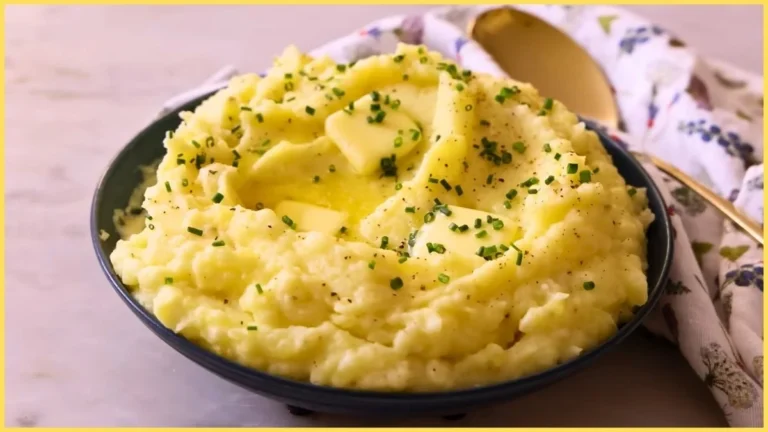

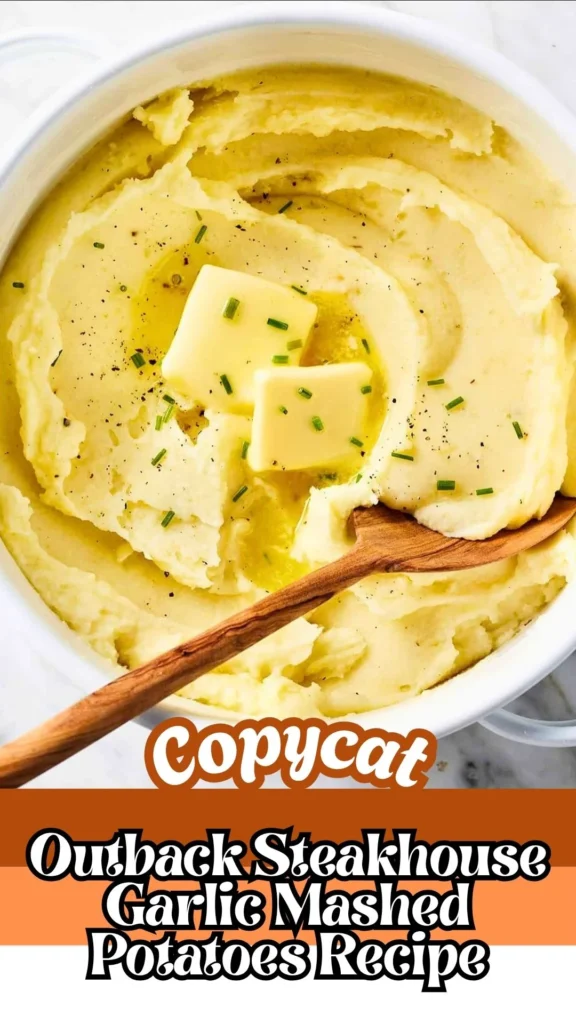
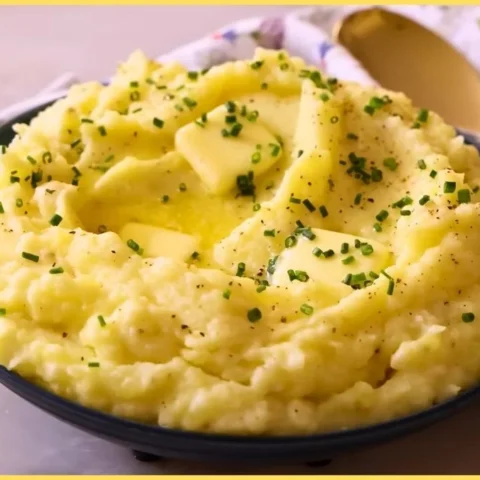
There are some restaurant side dishes that are easy to overlook when you’re ordering dinner, but Outback Steakhouse garlic mashed potatoes have never been one of those for me. They’re creamy, buttery, full of mellow garlic flavor, and the little bits of red potato skin give them that rustic texture I really enjoy.
When I make this Outback Steakhouse Garlic Mashed Potatoes Recipe at home, I keep the red potatoes completely unpeeled and cook them with whole garlic cloves in chicken broth. Then I mash everything while it’s still hot with salted butter, cream cheese, and buttermilk. The result is rich and creamy without turning into a completely smooth, heavy purée.
And the best part? You don’t need a food processor or any fancy equipment. A large pot and a good potato masher are all you really need.
What Makes These Outback Steakhouse Garlic Mashed Potatoes So Good?
The combination of ingredients is what gives these mashed potatoes their rich, savory flavor and creamy texture. Red potatoes are cooked with whole garlic cloves in chicken broth, then mashed with butter, cream cheese, and buttermilk while they’re still hot. Leaving the potato skins on adds a rustic bite and saves you the extra step of peeling five pounds of potatoes.
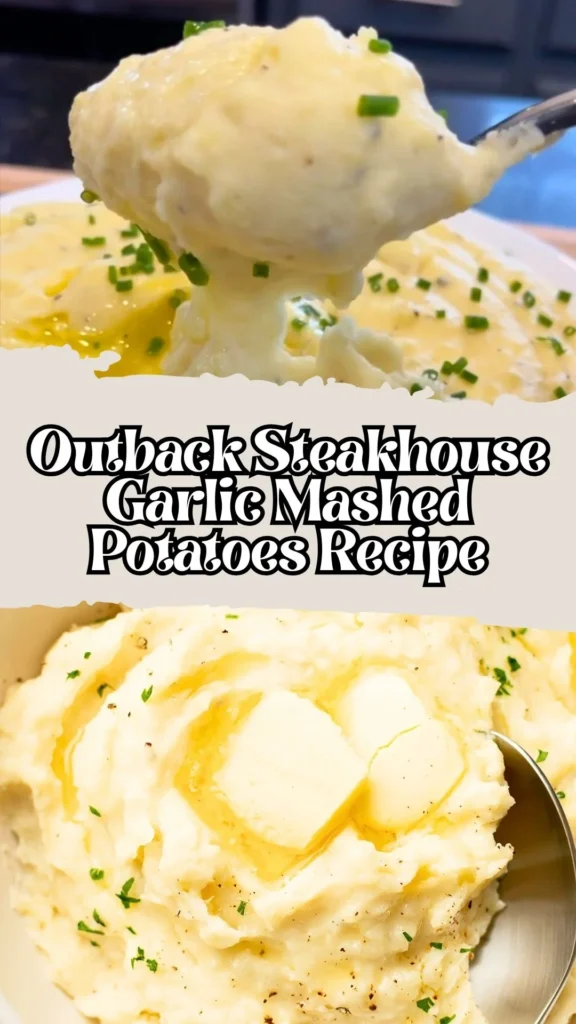
I also prefer whole garlic cloves here rather than finely chopping the garlic. The cloves cook alongside the potatoes and become soft enough to mash right into them, giving the potatoes a mellow garlic flavor instead of a sharp, raw garlic taste.
Ingredients for Outback Steakhouse Garlic Mashed Potatoes
You only need a handful of ingredients for this copycat mashed potato recipe.
Red Potatoes
I use 5 pounds of red potatoes and leave the skins on completely. Red potatoes have thin skins, so once they’re boiled until tender, the skins soften enough to blend nicely into the mash.
Give them a good scrub before cutting them. You don’t want to peel them, but you do want them clean.
Chicken Broth
The potatoes cook directly in 6 cups of chicken broth, which gives them more savory flavor than boiling them in plain water.
You may not need every drop to cover the potatoes depending on the size of your pot. The goal is simply to have enough broth to just cover the potatoes and garlic.
Garlic
You’ll need 5 whole garlic cloves.
Don’t mince them first. Whole cloves become tender and mellow as they cook, and you can mash them directly into the potatoes later.
Salted Butter
½ cup salted butter adds richness and helps create that buttery steakhouse-style flavor.
Cut it into cubes before adding it to the hot potatoes. It melts much faster and distributes more evenly.
Cream Cheese
4 ounces of cream cheese makes the potatoes especially creamy and gives them a subtle tang.
I like adding it while the potatoes are still hot because it softens quickly as you mash.
Buttermilk
Add ½ cup buttermilk for a little tang and a softer, creamier consistency.
I recommend adding it after you start mashing rather than pouring it all in at once. That gives you more control over the final texture.
Salt
Start with 1 teaspoon of salt, then taste the finished potatoes and add more in small pinches if needed.
Since the potatoes cook in chicken broth and you’re using salted butter, the amount of extra salt you’ll need can vary.
Chives and Black Pepper
Fresh chopped chives make an easy finishing garnish and add a fresh flavor against the rich potatoes.
Black pepper is optional, but I like adding a little when I want more seasoning.
How to Make Outback Steakhouse Garlic Mashed Potatoes
1. Cut the Red Potatoes
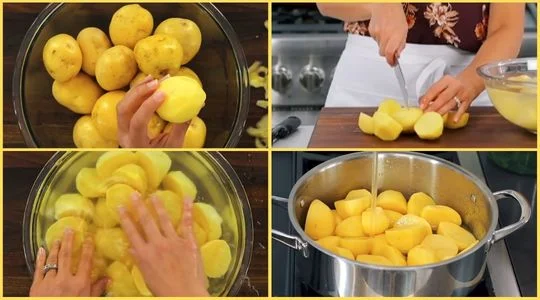
Wash and scrub the red potatoes well, then cut them into rough 1-inch chunks.
Keep the skins completely intact. There’s no need to peel them.
Try to keep the chunks reasonably similar in size. This helps them cook at about the same rate, so you don’t end up with some pieces tender while others are still firm.
2. Boil the Potatoes and Garlic in Chicken Broth
Place the potato chunks and 5 whole garlic cloves into a large stockpot.
Pour in the chicken broth until it just covers the potatoes and garlic.
Turn the heat to high and bring everything to a rolling boil.
As the garlic cooks alongside the potatoes, it becomes soft and mellow enough to mash easily later.
3. Cook Until the Potatoes Are Fork-Tender
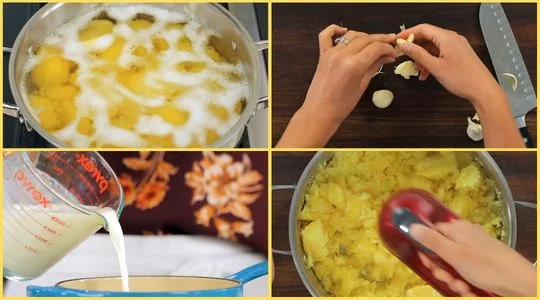
Boil the potatoes for about 14 to 16 minutes.
Don’t rely only on the clock, though. The easiest way to tell they’re ready is to test one with a fork.
The fork should slide into the center of the potato with almost no resistance.
If the potato still feels firm, give it another minute or two and test again.
You don’t want undercooked potatoes because they’ll leave you with lumps that are difficult to mash out.
4. Drain the Potatoes Really Well
Set a colander in the sink and carefully pour the pot into it.
Let the potatoes and garlic sit in the colander for about a minute so excess moisture can steam away.
This small step makes a difference. If the potatoes hold onto too much broth, your mashed potatoes can end up thinner and less creamy than you want.
5. Add the Butter and Cream Cheese
Transfer the drained potatoes and garlic to a large mixing bowl.
While everything is still hot, add the ½ cup cubed salted butter and 4 ounces cream cheese.
The heat from the potatoes will begin melting the butter and softening the cream cheese, making both easier to incorporate.
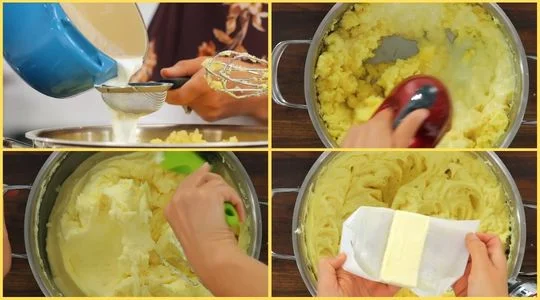
6. Mash in the Garlic and Buttermilk
Grab a potato masher and start working everything together.
As you mash, break up the garlic cloves so they become part of the potatoes rather than remaining in large pieces.
Pour in the ½ cup buttermilk and add 1 teaspoon salt.
Continue mashing until the potatoes are mostly smooth.
I wouldn’t try to make these perfectly silky. A little texture from the red potato skins is part of what makes them so good.
7. Taste, Season, and Garnish
Give the potatoes a taste before serving.
If they need more seasoning, add salt in small pinches and taste again.
Transfer the hot mashed potatoes to a serving bowl and sprinkle the top with freshly chopped chives.
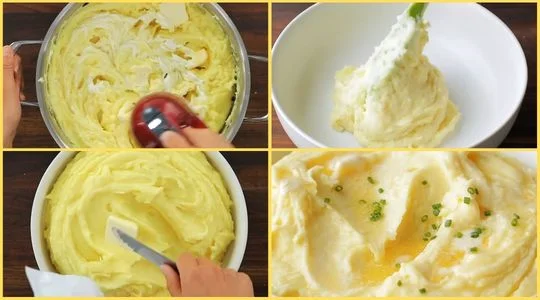
Add a little black pepper if you like.
Serve them hot.
My Tips for Creamy, Not Gluey, Mashed Potatoes
I’ve found that the texture of mashed potatoes can change quickly, so these little details are worth paying attention to.
Don’t Over-Mash
Once the potatoes are mostly smooth, stop.
Overworking cooked potatoes can make them sticky or gluey. A potato masher gives you much more control than aggressively mixing them.
Drain the Potatoes Properly
Don’t skip the short steaming step after draining.
Extra water or broth can make the finished potatoes loose and watery.
Add the Dairy While the Potatoes Are Hot
Butter and cream cheese incorporate much more easily when they’re added immediately after draining.
The hot potatoes help melt the butter and soften the cream cheese as you mash.
Add Buttermilk Gradually
Even though the recipe calls for ½ cup, you can add it as you mash so you can see how the consistency is developing.
If your potatoes already seem quite soft, you may prefer a little less.
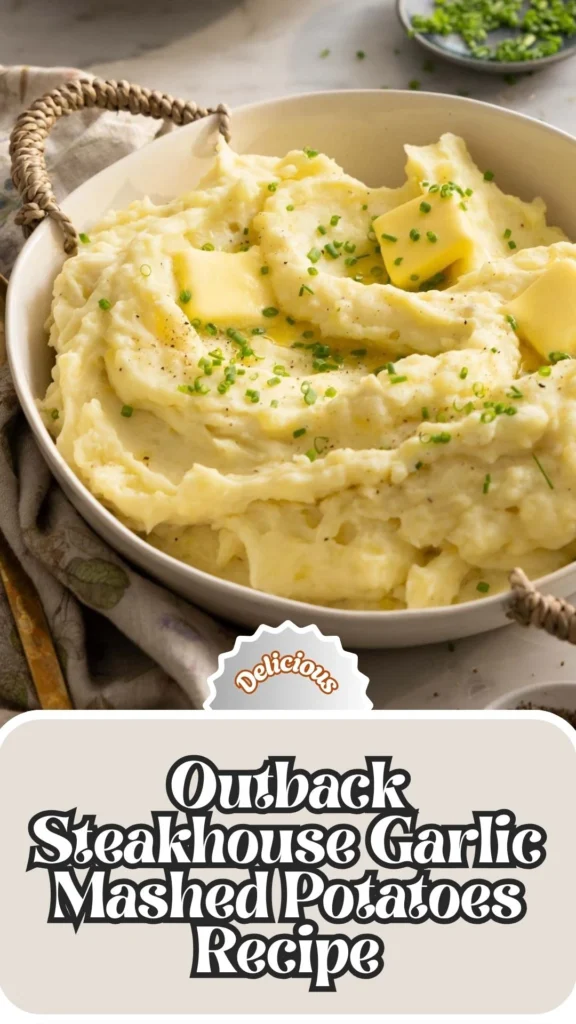
Don’t Worry About Making Them Perfectly Smooth
These aren’t meant to be whipped potatoes.
The soft red potato skins give the finished dish a slightly rustic texture that I really like.
What Potatoes Are Best for This Recipe?
I recommend red potatoes for this particular Outback-inspired recipe because their thin skins work well when left unpeeled.
That said, you can use other potatoes if that’s what you have.
| Potato | What You’ll Get |
|---|---|
| Red potatoes | Rustic, creamy mashed potatoes with soft skins |
| Yukon Gold | Naturally buttery and creamy |
| Russet | Fluffier, lighter mashed potatoes |
| Red + Yukon Gold | Creamy with a little extra texture |
If you’re trying to stay closest to the texture of this recipe, I’d stick with red potatoes and leave the skins on.
Can You Leave the Potato Skins On?
Yes, and that’s exactly what I recommend for this recipe.
Red potato skins are relatively thin and soften considerably during boiling. Once the potatoes are tender, the skins mash easily along with the flesh.
Just make sure you scrub the potatoes thoroughly before cutting them.
If you prefer completely smooth mashed potatoes, you can peel them instead. The flavor will still be delicious, but you’ll lose some of that rustic texture.
What Can I Use Instead of Buttermilk?
If you don’t have buttermilk, you have a few options.
Whole milk will work for a milder flavor, although it won’t have the same tang.
Half-and-half will make the potatoes richer and creamier.
You can also make a quick buttermilk substitute by combining milk with a small amount of lemon juice or vinegar and letting it sit for a few minutes.
For the flavor of this particular recipe, though, I really like using real buttermilk.
Can I Use Yukon Gold or Russet Potatoes?
Absolutely.
Yukon Gold potatoes are a great choice if you want especially creamy mashed potatoes with a naturally buttery flavor.
Russets will give you a lighter, fluffier mash.
Just remember that changing the potato variety will change the texture. If you want the rustic red-skin texture of this recipe, red potatoes are my first choice.
Why Are My Mashed Potatoes Watery?
The most common reason is too much moisture.
Since these potatoes are cooked in chicken broth, drain them thoroughly before transferring them to the bowl. Letting them sit in the colander for about a minute also allows some excess moisture to evaporate.
Another possibility is adding too much buttermilk.
If your potatoes already look soft and creamy, add the buttermilk gradually rather than automatically pouring in more liquid.
Why Did My Mashed Potatoes Turn Gluey?
Usually, it’s because the potatoes were overworked.
Once the potatoes are tender, mash them just until they’re creamy and mostly smooth. Avoid aggressively beating or mixing them for a long time.
A potato masher is perfect here because you can stop as soon as you reach the texture you like.
Can I Make These Mashed Potatoes Ahead of Time?
Yes. You can prepare them ahead of serving, although I think they’re best when they’re freshly mashed and hot.
If you need to make them in advance, keep them covered and warm, then stir them gently before serving. If they become thicker than you’d like, a small amount of warm dairy can help loosen them.
Be careful not to overmix while reheating.
How to Store and Reheat Leftover Garlic Mashed Potatoes
Let leftover mashed potatoes cool, then transfer them to an airtight container and refrigerate them.
When you’re ready to reheat them, warm them gently on the stovetop or in the microwave.
Mashed potatoes tend to firm up after refrigeration, so you can stir in a little warm milk, buttermilk, or broth if they seem dry.
Heat them until they’re warmed through, but avoid excessive stirring.
What to Serve With Outback Steakhouse Garlic Mashed Potatoes
These potatoes were practically made for a steakhouse-style dinner.
I love serving them with:
- Grilled steak
- Garlic butter steak
- Grilled chicken
- Roasted chicken
- Baked salmon
- Green beans
- Roasted vegetables
- A crisp wedge salad
If you’re making a full steakhouse dinner at home, these mashed potatoes are an easy side to pair with almost any hearty main dish.
Easy Variations
Extra Garlic Mashed Potatoes
Want stronger garlic flavor? Add another cooked garlic clove or two. I recommend cooking the extra garlic rather than adding raw minced garlic.
Cheesy Garlic Mashed Potatoes
Stir a little shredded cheddar or Parmesan into the hot potatoes for a richer, cheesy version.
Bacon Garlic Mashed Potatoes
Fold in crisp cooked bacon just before serving and finish with the chopped chives.
Roasted Garlic Mashed Potatoes
For a sweeter, deeper garlic flavor, roast the garlic separately before mashing it into the potatoes.
Herb Garlic Mashed Potatoes
Fresh parsley, chives, or finely chopped green onions are easy ways to add a fresh herb flavor.
Outback Steakhouse Garlic Mashed Potatoes Recipe
There are some restaurant side dishes that are easy to overlook when you’re ordering dinner, but Outback Steakhouse garlic mashed potatoes have never been one of those for me. They’re creamy, buttery, full of mellow garlic flavor, and the little bits of red potato skin give them that rustic texture I really enjoy.
Ingredients
- 5 pounds of red potatoes
- 6 cups of chicken broth
- 5 whole garlic cloves
- ½ cup salted butter
- 4 ounces of cream cheese
- ½ cup buttermilk
- 1 teaspoon of salt
- chives and black pepper
Instructions
- Wash and scrub the red potatoes well, then cut them into rough 1-inch chunks. Keep the skins completely intact. There’s no need to peel them. Try to keep the chunks reasonably similar in size. This helps them cook at about the same rate, so you don’t end up with some pieces tender while others are still firm.
- Place the potato chunks and 5 whole garlic cloves into a large stockpot. Pour in the chicken broth until it just covers the potatoes and garlic. Turn the heat to high and bring everything to a rolling boil. As the garlic cooks alongside the potatoes, it becomes soft and mellow enough to mash easily later.
- Boil the potatoes for about 14 to 16 minutes. Don’t rely only on the clock, though. The easiest way to tell they’re ready is to test one with a fork. The fork should slide into the center of the potato with almost no resistance. If the potato still feels firm, give it another minute or two and test again. You don’t want undercooked potatoes because they’ll leave you with lumps that are difficult to mash out.
- Set a colander in the sink and carefully pour the pot into it. Let the potatoes and garlic sit in the colander for about a minute so excess moisture can steam away. This small step makes a difference. If the potatoes hold onto too much broth, your mashed potatoes can end up thinner and less creamy than you want.
- Transfer the drained potatoes and garlic to a large mixing bowl. While everything is still hot, add the ½ cup cubed salted butter and 4 ounces cream cheese. The heat from the potatoes will begin melting the butter and softening the cream cheese, making both easier to incorporate.
- Grab a potato masher and start working everything together. As you mash, break up the garlic cloves so they become part of the potatoes rather than remaining in large pieces. Pour in the ½ cup buttermilk and add 1 teaspoon salt. Continue mashing until the potatoes are mostly smooth. I wouldn’t try to make these perfectly silky. A little texture from the red potato skins is part of what makes them so good.
- Give the potatoes a taste before serving. If they need more seasoning, add salt in small pinches and taste again. Transfer the hot mashed potatoes to a serving bowl and sprinkle the top with freshly chopped chives. Add a little black pepper if you like. Serve them hot.
Notes
Let leftover mashed potatoes cool, then transfer them to an airtight container and refrigerate them. When you’re ready to reheat them, warm them gently on the stovetop or in the microwave. Mashed potatoes tend to firm up after refrigeration, so you can stir in a little warm milk, buttermilk, or broth if they seem dry. Heat them until they’re warmed through, but avoid excessive stirring.
Nutrition Information:
Yield: 4 Serving Size: 1Amount Per Serving: Calories: 160
Frequently Asked Questions
Are Outback Steakhouse mashed potatoes made with garlic?
This copycat recipe uses whole garlic cloves cooked with the potatoes to create a mellow garlic flavor. Outback’s current menu lists Homestyle Mashed Potatoes, but the restaurant does not publish its complete proprietary preparation, so this recipe should be considered a homemade copycat rather than the official restaurant recipe.
What kind of potatoes are best for Outback-style mashed potatoes?
I recommend red potatoes for this recipe because their thin skins can be left on, giving the finished potatoes a rustic texture. Yukon Golds are another excellent option if you prefer a creamier result.
Do you have to peel red potatoes for mashed potatoes?
No. For this recipe, leave the skins on. Just scrub the potatoes thoroughly before cutting them.
Can I use russet potatoes instead of red potatoes?
Yes. Russet potatoes will produce a lighter and fluffier mash, while red potatoes give you a denser, more rustic texture with the skins.
What can I substitute for buttermilk?
Whole milk, half-and-half, or a homemade milk-and-acid substitute can work. Buttermilk gives these potatoes a pleasant tang, so it’s my preferred choice.
How do you make mashed potatoes creamy without making them gluey?
Use tender potatoes, add the butter and cream cheese while they’re hot, and mash gently. Stop once they’re mostly smooth rather than aggressively mixing them.
Why are my mashed potatoes watery?
They may not have been drained thoroughly enough, or too much buttermilk or other liquid may have been added. Let the cooked potatoes steam briefly in the colander before mashing.
Can you make garlic mashed potatoes ahead of time?
Yes. Prepare them ahead, refrigerate them in an airtight container, and reheat gently. Add a little warm dairy or broth if they’re too thick after chilling.
How long do leftover mashed potatoes last?
Keep them refrigerated in an airtight container and use them within 3 to 4 days for best quality and food safety.
Additionally, You can also like and, follow us on Pinterest, and YouTube for more updates. Your thoughts and engagement are greatly appreciated!