
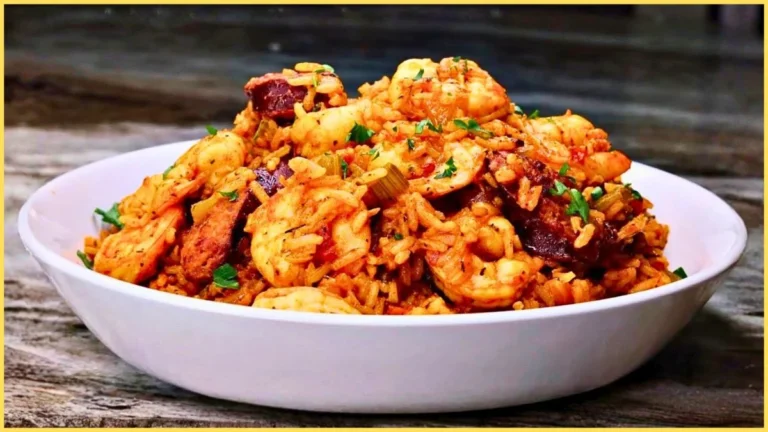

There is something special about a big pot of jambalaya simmering on the stove. The smell of smoky sausage, garlic, Cajun spices, and tender rice fills the kitchen with the kind of comforting aroma that makes everyone eager to sit down and eat. This Stalekracker jambalaya recipe brings those bold Louisiana-inspired flavors right into your home kitchen.
Made with juicy shrimp, smoky andouille sausage, jasmine rice, and the classic combination of onion, bell pepper, and celery, this hearty dish is full of flavor in every bite. Tomatoes, chicken broth, and a blend of Cajun and Creole seasonings give the rice a rich, savory taste without requiring complicated cooking techniques.
The best part is that everything cooks together in one pot, making this recipe practical for family dinners, weekend gatherings, or a relaxed meal with friends. Whether you already love Southern cooking or are trying jambalaya for the first time, this homemade version is a delicious way to enjoy a taste of Louisiana.
What Is Stalekracker Jambalaya?
Stalekracker jambalaya is a Cajun-inspired rice dish associated with Stalekracker, the Louisiana cooking personality known for sharing Southern recipes, Cajun flavors, and his lively approach to outdoor and home cooking. Jambalaya itself is a Louisiana classic that combines rice, meat or seafood, vegetables, and bold seasonings in one satisfying dish.
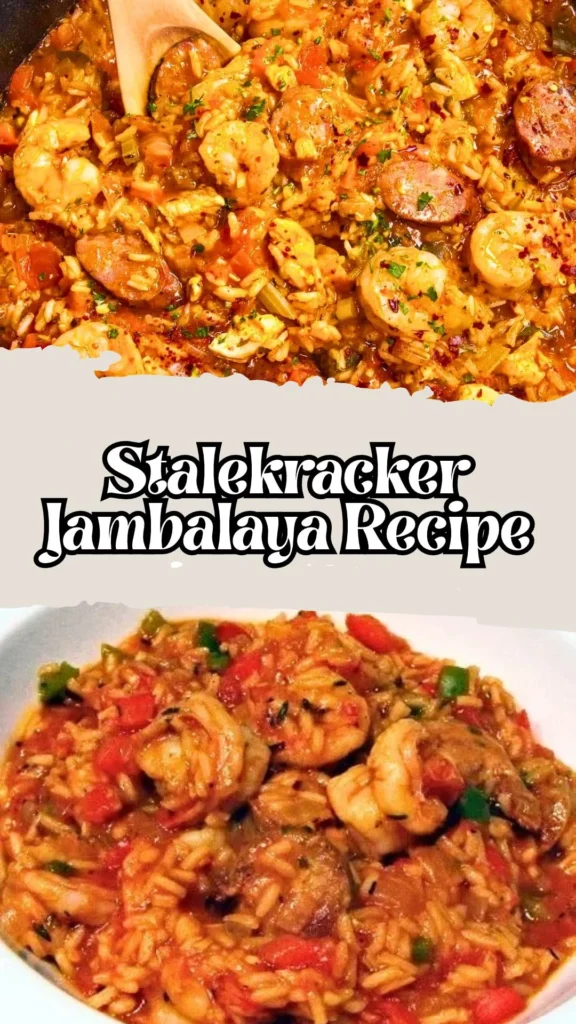
This version features andouille sausage and shrimp as its main proteins. The sausage adds a smoky, savory flavor, while the shrimp brings a touch of sweetness and a tender texture. Jasmine rice absorbs the seasoned chicken broth, tomatoes, and spices as everything cooks together, creating a flavorful meal without the need for a separate sauce.
The familiar Cajun seasoning blend, along with garlic, paprika, thyme, oregano, and the traditional onion, bell pepper, and celery combination, gives this Stalekracker jambalaya recipe its hearty Southern character. It is a comforting one-pot dinner that brings together seafood, sausage, and rice in every serving.
Brown vs. Red Jambalaya: What’s the Difference?
Brown jambalaya and red jambalaya are two popular styles of Louisiana jambalaya. The main difference comes down to the ingredients used and the color they give the finished rice.
Brown jambalaya is commonly associated with Cajun cooking. It gets much of its color and deep flavor from browning sausage, chicken, or other meats in the pot before adding the vegetables, broth, and rice. Traditional brown jambalaya generally does not rely on tomatoes, allowing the browned meat and seasonings to create its rich, savory taste.
Red jambalaya, often associated with Creole cooking, includes tomatoes or tomato-based ingredients. These give the rice a reddish color and add a slightly tangy, savory flavor. Red jambalaya is especially familiar in New Orleans-style cooking, where Creole influences are common.
This Stalekracker jambalaya recipe leans toward the red style because it uses both tomato paste and diced tomatoes. The browned andouille sausage still contributes a deep, smoky flavor, while the tomatoes add color, moisture, and a little acidity. It is a delicious combination for anyone who enjoys a rich, tomato-seasoned jambalaya.
Ingredients for Stalekracker Jambalaya Recipe
The ingredients in this recipe work together to create a hearty meal with smoky sausage, tender shrimp, fluffy rice, and plenty of Cajun flavor. Here is what you need and why each ingredient matters.
- 1 lb large shrimp, peeled and deveined: Large shrimp provide a sweet, tender seafood flavor. Peeled and deveined shrimp are easier to prepare and eat. Fresh or thawed frozen shrimp both work well.
- 12 oz Cajun andouille sausage, sliced: Andouille sausage brings smoky, spicy flavor to the dish. Browning it first helps release its fat and creates flavorful browned bits at the bottom of the pot.
- 1½ cups long-grain jasmine rice, rinsed: Jasmine rice absorbs the seasoned cooking liquid and gives the jambalaya a fragrant, tender texture. Rinse it before cooking to remove excess surface starch.
- 3 cups chicken broth: Broth provides the liquid needed to cook the rice while adding savory flavor. Choose low-sodium broth if you want more control over the saltiness.
- 1 medium yellow onion, diced: Onion adds sweetness and depth as it softens in the pot.
- 1 green bell pepper, diced: Bell pepper adds a fresh, slightly sweet flavor and is part of the traditional Louisiana onion, bell pepper, and celery vegetable combination.
- 2 celery stalks, diced: Celery contributes a mild, earthy flavor that balances the sausage and seasonings.
- 4 cloves garlic, minced: Fresh garlic adds an aromatic, savory flavor that pairs beautifully with Cajun spices.
- 2 tablespoons tomato paste: Tomato paste gives the dish a deeper tomato flavor and helps build a rich base.
- 1 can (14.5 oz) diced tomatoes: Diced tomatoes provide moisture, color, and a slightly tangy taste, making this version closer to red jambalaya.
- 2 tablespoons olive oil: Olive oil helps brown the sausage and cook the vegetables. You can use a little less if the sausage releases plenty of fat.
- 1 tablespoon Cajun seasoning, divided as needed for shrimp and rice: Cajun seasoning adds the signature blend of savory spices and heat. Divide it between the shrimp and the rice mixture, adjusting to taste.
- 1 teaspoon Creole seasoning: Creole seasoning adds another layer of Southern flavor. Check its salt content before adding extra salt.
- 1 teaspoon garlic powder: Garlic powder reinforces the savory garlic flavor throughout the rice.
- 1 teaspoon paprika: Paprika adds warmth, color, and a mild peppery flavor.
- ½ teaspoon dried oregano: Oregano brings a subtle herbal note to the seasoning blend.
- ½ teaspoon dried basil: Basil adds a gentle, sweet herbal flavor that complements the tomatoes.
- ½ teaspoon dried thyme: Thyme gives the jambalaya an earthy, traditional savory note.
- ½ teaspoon ground black pepper: Black pepper adds mild heat and balances the richness of the sausage.
- 2 bay leaves: Bay leaves infuse the broth with a subtle herbal aroma as the rice cooks. Remove them before serving.
Kitchen Utensils and Equipment
You do not need special equipment to make this homemade Stalekracker jambalaya. A few everyday kitchen tools are enough.
-
Large, heavy-bottomed pot or Dutch oven: Holds all the ingredients and distributes heat evenly, helping the rice cook without scorching.
-
Sharp chef’s knife: Makes it easier to slice the sausage and dice the vegetables.
-
Cutting board: Provides a safe surface for preparing the ingredients.
-
Measuring cups and spoons: Help you measure the rice, broth, oil, and seasonings accurately.
-
Mixing bowl: Useful for seasoning the shrimp before cooking.
-
Wooden spoon or heat-resistant spatula: Helps stir the vegetables, spices, and rice without damaging the pot.
-
Lid for the pot: Traps steam so the rice cooks evenly.
-
Colander or fine-mesh strainer: Makes rinsing the jasmine rice easy.
Prep Time, Cook Time, Total Time, and Servings
Preparation time: 15 minutes
Cooking time: 35–40 minutes
Total time: Approximately 50–55 minutes
Servings: 4–6 people
The exact cooking time can vary depending on your pot, stove, and the type of rice you use. Allow a few extra minutes if the rice needs more time to become tender.
How to Make Stalekracker Jambalaya
Follow these simple steps to make a flavorful pot of jambalaya with shrimp, andouille sausage, and seasoned rice.
Step 1: Season the Shrimp
Place the peeled and deveined shrimp in a mixing bowl. Sprinkle with some of the Cajun seasoning and toss until the shrimp are evenly coated.
Set the seasoned shrimp aside in the refrigerator while you prepare the other ingredients, especially if you need extra time to chop the vegetables. Keeping the shrimp chilled helps maintain their freshness until they are ready to cook.

Step 2: Brown the Andouille Sausage
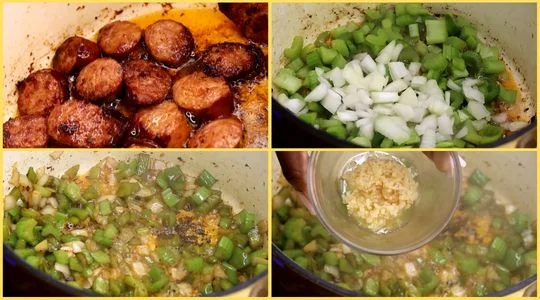
Heat the olive oil in a large, heavy-bottomed pot over medium-high heat. Add the sliced andouille sausage in an even layer and cook until the pieces are browned on both sides.
This step is important because browning develops a smoky, savory flavor that carries through the entire jambalaya. Once the sausage is nicely browned, remove it from the pot and set it aside. Leave the flavorful drippings in the pot for the vegetables.
Step 3: Cook the Vegetables
Add the diced onion, green bell pepper, and celery to the same pot. Sauté for about 5 minutes, stirring occasionally, until the vegetables soften.
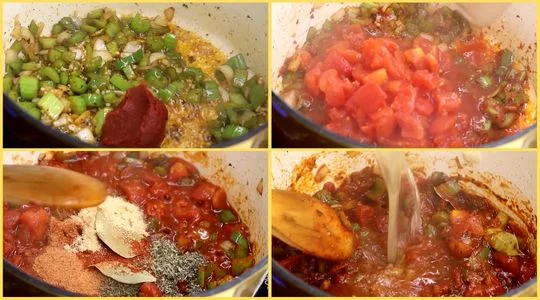
Stir in the minced garlic and cook for another 30–60 seconds, just until fragrant. Add the tomato paste and stir for 1–2 minutes to deepen its flavor.
Next, add the diced tomatoes, including their juices, and stir everything together. Scrape up any browned bits from the bottom of the pot to incorporate their flavor into the mixture.
Step 4: Add the Seasonings and Chicken Broth
Stir in the Creole seasoning, garlic powder, paprika, oregano, basil, thyme, black pepper, and bay leaves. Add the remaining Cajun seasoning as desired, keeping in mind that both the sausage and seasonings may already contain salt.
Pour in the chicken broth and return the browned sausage to the pot. Stir well and bring the mixture to a gentle simmer.
Let it simmer for about 10 minutes so the broth absorbs the flavors of the sausage, tomatoes, vegetables, and seasonings.
Step 5: Add the Jasmine Rice
Stir the rinsed jasmine rice into the pot, spreading it evenly through the seasoned broth. Make sure the rice is mostly submerged in the liquid.
Bring the mixture back to a gentle simmer, then cover the pot with a tight-fitting lid. Reduce the heat to low and cook for about 10 minutes.
Avoid stirring frequently while the rice cooks. Too much stirring can release starch and make the texture sticky. Keep the heat low enough to prevent the rice from sticking or burning at the bottom.
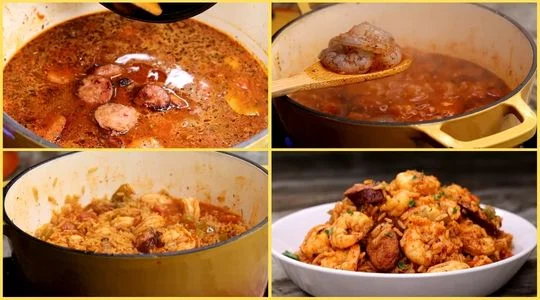
Step 6: Add the Shrimp and Finish Cooking
Carefully add the seasoned shrimp to the pot, gently folding them into the rice mixture. Cover again and cook for another 5–10 minutes, until the shrimp are opaque and the rice is tender.
Shrimp cook quickly, so check them toward the beginning of this time range. They should reach an internal temperature of 145°F (63°C). The rice should be fully cooked, and most of the cooking liquid should be absorbed.
If the rice is still firm but the liquid has disappeared, add a small splash of hot broth or water, cover, and continue cooking over low heat until tender.
Remove the bay leaves and gently fluff the jambalaya with a fork. Let it rest, covered, for about 5 minutes before serving so the moisture can settle and the flavors can come together.
Spoon the hot jambalaya into bowls and enjoy your homemade Cajun-inspired meal.
Tips, Tricks, and Substitutions for the Best Stalekracker Jambalaya
A few simple techniques can help you get the best flavor and texture from this Stalekracker jambalaya recipe.
Brown the sausage well. Give the andouille enough time to develop a golden-brown surface. Those browned bits add a deeper flavor to the vegetables and broth.
Rinse the rice before cooking. Rinsing removes excess surface starch and helps the rice cook up less sticky. Drain it well so you do not add unnecessary water to the pot.
Keep the heat low after adding rice. A gentle simmer is best. High heat can cause the liquid to evaporate too quickly while leaving the rice undercooked.
Do not overcook the shrimp. Add the shrimp near the end of cooking. Once they turn opaque and reach 145°F (63°C), they are ready to eat. Overcooking can make them rubbery.
Adjust the Cajun seasoning carefully. Andouille sausage, Cajun seasoning, and Creole seasoning can all contain salt. Taste the broth before adding more seasoning, and adjust the heat to your preference.
Use chicken thighs if you want more protein variety. For a chicken-and-sausage jambalaya, brown bite-sized pieces of boneless chicken thighs before cooking the vegetables. Make sure the chicken reaches 165°F (74°C), and allow for additional cooking time as needed.
Swap the jasmine rice thoughtfully. Long-grain white rice is a suitable alternative, although cooking time and liquid absorption may differ. Follow the package guidance and check the rice for doneness.
Make it milder or spicier. For a milder jambalaya, use a less spicy sausage and reduce the Cajun seasoning. For more heat, add cayenne pepper or a few dashes of Louisiana-style hot sauce.
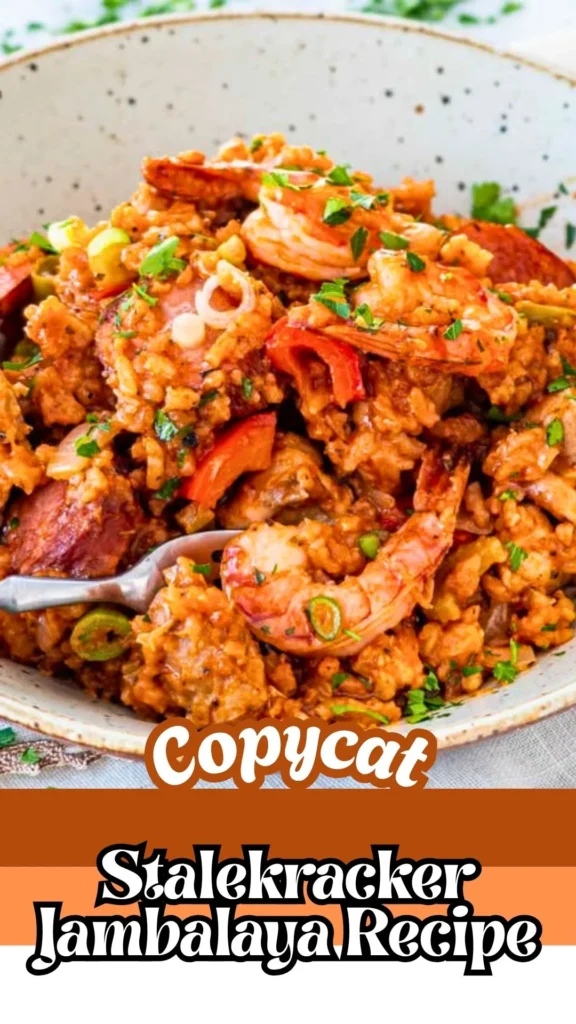
Let the jambalaya rest before serving. A short resting period allows the rice to settle and makes the dish easier to serve without breaking up the grains.
What Are Common Mistakes When Making Jambalaya?
Making a flavorful Stalekracker jambalaya recipe is easier when you know which common cooking mistakes to avoid. A few small changes can help you get tender rice, juicy shrimp, and that rich Cajun flavor in every bite.
1. Adding Too Much Liquid: Too much chicken broth can leave the rice wet and mushy. Measure the broth carefully, and remember that diced tomatoes also add liquid to the pot.
2. Stirring the Rice Too Often: Constant stirring releases starch and can make the rice sticky. Once you add the rice, stir it evenly into the broth, cover the pot, and let it cook over low heat.
3. Cooking at Too High a Temperature: High heat can burn the rice at the bottom before the grains are fully cooked. Keep the jambalaya at a gentle simmer and use a heavy-bottomed pot for more even heat.
4. Adding Shrimp Too Early: Shrimp cook much faster than rice and sausage. Add them near the end of cooking to keep them tender and juicy. Cook until opaque and at an internal temperature of 145°F (63°C).
5. Skipping the Sausage-Browning Step: Browning the andouille sausage develops a smoky, savory flavor that makes the entire dish taste richer. Let the sausage develop a golden crust before removing it from the pot.
6. Overdoing the Seasonings: Cajun seasoning, Creole seasoning, and andouille sausage can all contain salt and spices. Start with the recommended amounts, taste the broth, and adjust carefully to avoid making the jambalaya too salty or spicy.
7. Not Giving the Rice Enough Time to Rest: Serving jambalaya immediately can make the texture uneven. Once the rice is tender, remove the bay leaves and let the covered pot rest for about 5 minutes before gently fluffing and serving.
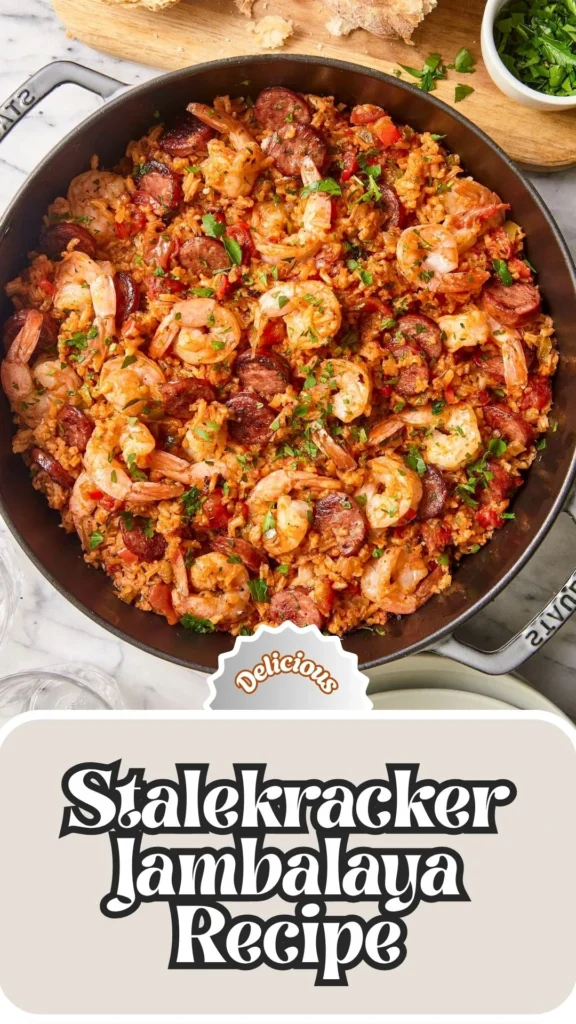
Avoiding these common mistakes will help you make a delicious homemade jambalaya with well-seasoned rice, smoky sausage, and perfectly cooked shrimp.
What to Serve with Stalekracker Jambalaya
This hearty jambalaya can easily stand on its own, but a few simple sides make the meal feel even more complete.
-
Southern cornbread: Soft cornbread is perfect for soaking up the flavorful tomato and spice mixture.
-
Collard greens: Tender greens add a fresh, earthy contrast to the smoky sausage and rich rice.
-
Green salad: A crisp salad with a light vinaigrette balances the hearty flavors of the jambalaya.
-
Steamed green beans: Simply seasoned green beans provide a fresh vegetable side without competing with the Cajun spices.
-
Garlic bread: Serve warm garlic bread alongside the jambalaya for an easy family dinner.
-
Hot sauce and lemon wedges: Offer these at the table so everyone can adjust the heat and brightness to their liking.
For a casual Louisiana-inspired meal, serve the jambalaya in generous bowls with cornbread and a side of greens. It is especially good for family dinners and gatherings where everyone can help themselves.
How to Store and Reheat Stalekracker Jambalaya
Let leftover jambalaya cool slightly, then transfer it to shallow, airtight containers. Refrigerate within 2 hours of cooking and eat within 3–4 days. Because this recipe contains shrimp and rice, do not leave it sitting at room temperature for a long time.
To reheat, place a portion in a saucepan with a small splash of water or chicken broth. Cover and warm over medium-low heat, stirring gently until it is steaming hot throughout. You can also microwave it in a covered, microwave-safe container, stirring halfway through heating.
For food safety, reheat leftovers to 165°F (74°C). Avoid repeatedly cooling and reheating the same batch. You can freeze the leftovers in airtight containers for about 2–3 months for best quality, although the shrimp and rice may soften slightly after thawing.

Stalekracker Jambalaya Recipe
There is something special about a big pot of jambalaya simmering on the stove. The smell of smoky sausage, garlic, Cajun spices, and tender rice fills the kitchen with the kind of comforting aroma that makes everyone eager to sit down and eat. This Stalekracker jambalaya recipe brings those bold Louisiana-inspired flavors right into your home kitchen.
Ingredients
- 1 lb large shrimp
- 12 oz Cajun andouille sausage
- 1½ cups long-grain jasmine rice
- 3 cups chicken broth
- 1 medium yellow onion
- 1 green bell pepper
- 2 celery stalks
- 4 cloves garlic
- 2 tablespoons tomato paste
- 1 can (14.5 oz) diced tomatoes
- 2 tablespoons olive oil
- 1 tablespoon Cajun seasoning
- 1 teaspoon Creole seasoning
- 1 teaspoon garlic powder
- 1 teaspoon paprika
- ½ teaspoon dried oregano
- ½ teaspoon dried basil
- ½ teaspoon dried thyme
- ½ teaspoon ground black pepper
- 2 bay leaves
Instructions
- Place the peeled and deveined shrimp in a mixing bowl. Sprinkle with some of the Cajun seasoning and toss until the shrimp are evenly coated.
Set the seasoned shrimp aside in the refrigerator while you prepare the other ingredients, especially if you need extra time to chop the vegetables. Keeping the shrimp chilled helps maintain their freshness until they are ready to cook. - Heat the olive oil in a large, heavy-bottomed pot over medium-high heat. Add the sliced andouille sausage in an even layer and cook until the pieces are browned on both sides.
This step is important because browning develops a smoky, savory flavor that carries through the entire jambalaya. Once the sausage is nicely browned, remove it from the pot and set it aside. Leave the flavorful drippings in the pot for the vegetables. - Add the diced onion, green bell pepper, and celery to the same pot. Sauté for about 5 minutes, stirring occasionally, until the vegetables soften.
Stir in the minced garlic and cook for another 30–60 seconds, just until fragrant. Add the tomato paste and stir for 1–2 minutes to deepen its flavor.
Next, add the diced tomatoes, including their juices, and stir everything together. Scrape up any browned bits from the bottom of the pot to incorporate their flavor into the mixture. - Stir in the Creole seasoning, garlic powder, paprika, oregano, basil, thyme, black pepper, and bay leaves. Add the remaining Cajun seasoning as desired, keeping in mind that both the sausage and seasonings may already contain salt.
Pour in the chicken broth and return the browned sausage to the pot. Stir well and bring the mixture to a gentle simmer.
Let it simmer for about 10 minutes so the broth absorbs the flavors of the sausage, tomatoes, vegetables, and seasonings. - Stir the rinsed jasmine rice into the pot, spreading it evenly through the seasoned broth. Make sure the rice is mostly submerged in the liquid.
Bring the mixture back to a gentle simmer, then cover the pot with a tight-fitting lid. Reduce the heat to low and cook for about 10 minutes.
Avoid stirring frequently while the rice cooks. Too much stirring can release starch and make the texture sticky. Keep the heat low enough to prevent the rice from sticking or burning at the bottom. - Carefully add the seasoned shrimp to the pot, gently folding them into the rice mixture. Cover again and cook for another 5–10 minutes, until the shrimp are opaque and the rice is tender.
Shrimp cook quickly, so check them toward the beginning of this time range. They should reach an internal temperature of 145°F (63°C). The rice should be fully cooked, and most of the cooking liquid should be absorbed.
If the rice is still firm but the liquid has disappeared, add a small splash of hot broth or water, cover, and continue cooking over low heat until tender.
Remove the bay leaves and gently fluff the jambalaya with a fork. Let it rest, covered, for about 5 minutes before serving so the moisture can settle and the flavors can come together.
Spoon the hot jambalaya into bowls and enjoy your homemade Cajun-inspired meal.
Notes
Let leftover jambalaya cool slightly, then transfer it to shallow, airtight containers. Refrigerate within 2 hours of cooking and eat within 3–4 days. Because this recipe contains shrimp and rice, do not leave it sitting at room temperature for a long time.
To reheat, place a portion in a saucepan with a small splash of water or chicken broth. Cover and warm over medium-low heat, stirring gently until it is steaming hot throughout. You can also microwave it in a covered, microwave-safe container, stirring halfway through heating.
For food safety, reheat leftovers to 165°F (74°C). Avoid repeatedly cooling and reheating the same batch. You can freeze the leftovers in airtight containers for about 2–3 months for best quality, although the shrimp and rice may soften slightly after thawing.
Nutrition Information:
Yield: 6 Serving Size: 1Amount Per Serving: Calories: 395
Common FAQs About Stalekracker Jambalaya Recipe
When you give this Stalekracker Jambalaya Recipe a try, you might have a few questions. Don’t worry-we’ve rounded up answers to the most common ones to help you out.
1. Is Stalekracker jambalaya spicy?
This recipe has a savory Cajun flavor with a moderate amount of heat, depending on the sausage and seasoning brands you use. To make it milder, reduce the Cajun seasoning and choose a less spicy andouille sausage. Add cayenne pepper or hot sauce if you prefer a hotter jambalaya.
2. Can I use frozen shrimp for jambalaya?
Yes, frozen shrimp work well. Thaw them in the refrigerator overnight or under cold running water in a sealed bag, then drain and pat them dry before seasoning. Add them near the end of cooking so they stay tender.
3. Why is my jambalaya rice mushy?
Mushy rice can result from too much liquid, frequent stirring, or cooking the rice for too long. Measure the broth carefully, rinse and drain the rice, and keep the pot covered over low heat. Check for doneness near the end of the cooking time rather than continuing to cook automatically.
4. Can I make Stalekracker jambalaya without tomatoes?
Yes. You can leave out the diced tomatoes and tomato paste for a version closer to brown Cajun jambalaya. However, the tomatoes provide moisture and acidity, so you may need to adjust the broth slightly and check the rice as it cooks. The finished flavor will be different from this red-style recipe.
5. What is the best sausage for jambalaya?
Andouille sausage is a classic choice because its smoky, seasoned flavor works beautifully with rice, shrimp, and Cajun spices. If you cannot find it, use another smoked sausage, such as kielbasa, but expect a slightly different flavor.
6. Can I prepare jambalaya ahead of time?
Yes, you can chop the vegetables, slice the sausage, and measure the seasonings a day ahead. Store the prepared ingredients separately in the refrigerator. For the best texture, cook the rice and shrimp close to serving time because rice can become softer and shrimp can toughen when reheated.
7. What is the difference between Cajun and Creole jambalaya?
Cajun jambalaya is traditionally associated with rural Louisiana cooking and often develops a brown color from browning the meat. Creole jambalaya is commonly associated with New Orleans and frequently includes tomatoes, giving it a reddish color. Recipes vary by family and region, so the distinction is a useful guide rather than an absolute rule.
8. Can I use a different type of rice?
Yes. Long-grain white rice is a good alternative to jasmine rice. However, different varieties absorb liquid and cook at different rates, so follow the package instructions and check the texture as you go. Avoid substituting instant rice without adjusting the method.
9. How do I know when jambalaya is fully cooked?
The rice should be tender, most of the liquid should be absorbed, and the shrimp should be opaque and reach 145°F (63°C). If the rice is still firm, add a little hot broth or water, cover the pot, and cook over low heat for a few more minutes.
This Stalekracker jambalaya recipe brings together everything that makes Louisiana-inspired cooking so satisfying: smoky andouille sausage, tender shrimp, aromatic vegetables, fragrant rice, and a bold blend of Cajun and Creole seasonings. The tomato-rich broth gives this version its red-jambalaya character, while browning the sausage builds the deep, savory flavor that makes every bite delicious.
Best of all, the recipe uses one pot and everyday ingredients, making it easy to prepare for a weeknight dinner or a relaxed weekend gathering. Serve it hot with cornbread, greens, or a simple salad for a comforting meal everyone can enjoy.
Give this homemade jambalaya a try, adjust the seasoning to suit your family, and make it your own. If you make this recipe, share how it turned out and which sides you served with it!
Additionally, You can also like and, follow us on Pinterest, and YouTube for more updates. Your thoughts and engagement are greatly appreciated!