Ingredients
Equipment
Method
- Preheat your oven to 250°F-this low temperature is crucial for the signature texture. Lightly grease your 10-inch tube pan, paying special attention to the center tube. Cut a parchment paper circle for the bottom and grease it lightly. Dust with flour and tap out excess.
- This is the most time-consuming step but essential for even distribution. Keep a small bowl of flour nearby. Using kitchen scissors, dip them in flour before each cut and snip the orange slice candy into small slivers. The flour prevents sticking and makes cutting much easier.
- In your largest mixing bowl, combine the cut orange slices, flaked coconut, chopped pecans, and chopped dates. Add all 3½ cups of flour and use your hands to toss everything thoroughly. Every piece should be coated and separated-this prevents sinking during baking and ensures even distribution throughout the cake.
- In your stand mixer fitted with the paddle attachment, cream the softened butter and 2 cups sugar on medium-high speed for 4-5 minutes until light, fluffy, and pale in color. This incorporates air for a better crumb structure.
- Add the room temperature eggs one at a time, beating well after each addition and scraping down the bowl as needed. The mixture should look smooth and emulsified.
- Measure the buttermilk into a measuring cup and stir in the baking soda. It will foam dramatically and nearly double in volume-this reaction is what creates tenderness in the cake. Set aside briefly.
- Pour the foamy buttermilk mixture into the creamed butter, sugar, and eggs. Mix on low speed just until combined. Don’t worry if it looks slightly curdled-this is completely normal and will disappear once flour is added.
- Pour the wet batter over the flour-coated fruit and nut mixture in your large bowl. Using a sturdy spoon or your hands, mix thoroughly by hand. The batter will be extremely thick-almost like stuffing or dressing. Make sure there are no dry flour pockets hiding at the bottom.
- Spoon (don’t pour-it’s too thick!) the batter into your prepared tube pan. Use the back of a spoon to press down firmly, eliminating air pockets and leveling the surface. This ensures even baking.
- Bake at 250°F for 2½ to 3 hours, or even up to 3 hours 10 minutes depending on your oven. Test for doneness by inserting a long skewer or cake tester into the deepest part-it should come out clean or with just a few moist crumbs. The low temperature prevents the candy from burning and creates that distinctively moist texture.
- While the cake bakes or immediately after it comes out, make your glaze. Combine 1½ to 2 cups sugar with ½ cup orange juice in a small saucepan. Add a splash of water if needed for consistency. Bring to a rolling boil and boil for exactly 1 minute. The mixture will be thin at first but thickens as it cools.
- While the cake is still warm in the pan, use a toothpick or skewer to poke holes all over the top surface. Pour about half of the warm orange syrup slowly over the cake, allowing it to soak into the holes. Use a pastry brush to coat every bit of the surface. This first glazing adds moisture and flavor to the interior.
- Let the glazed cake rest in the pan for at least 2 hours. This resting time allows the syrup to penetrate deeply and creates that characteristic moist, dense texture.
- Run a thin knife carefully around the outer edge and center tube to loosen. Gently push up from the removable bottom to release the cake. Peel off the parchment paper circle.
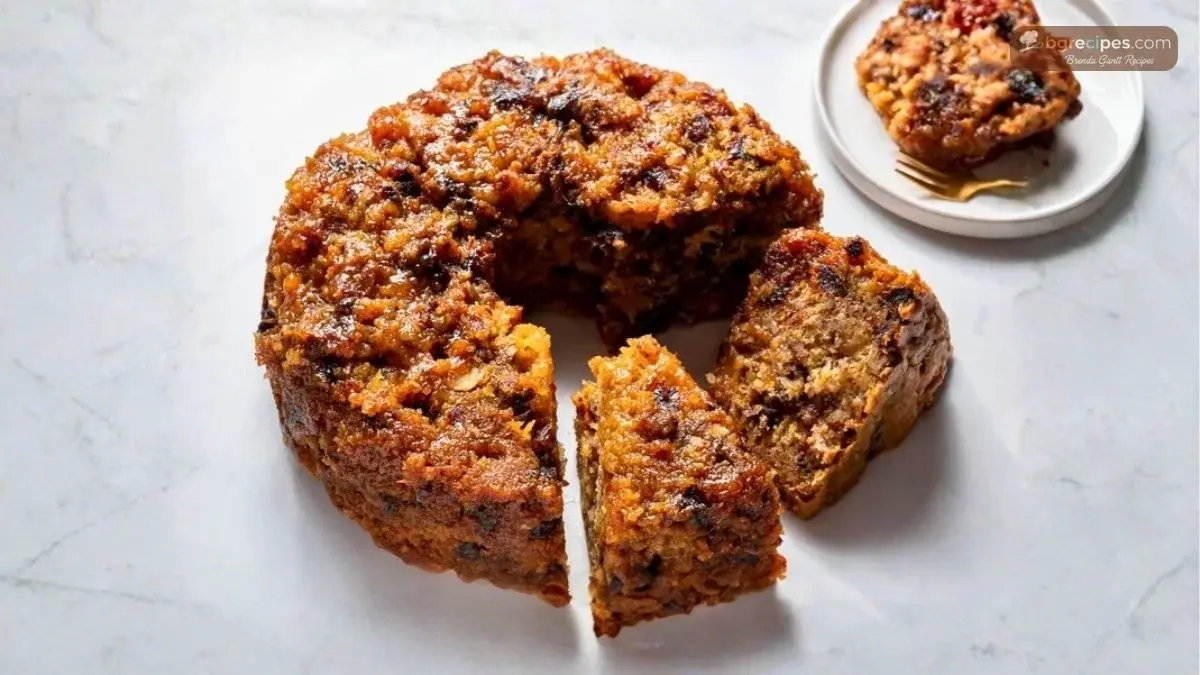
- If your reserved syrup has thickened or hardened, gently rewarm it until pourable. Brush the remaining syrup all over the sides and bottom of the still-warm cake. This second glazing creates the signature shiny, candied exterior that seals in moisture and adds beautiful presentation appeal.
- Allow the cake to cool completely on a wire rack before covering. If you cover it while still warm, condensation will form and make it soggy. Once completely cool, store under a cake dome.
Video
Notes
Store your orange slice cake at room temperature under a cake dome or tightly wrapped for up to 3-4 weeks-the sugar syrup seal acts as a natural preservative. For longer storage, wrap individual slices tightly in plastic wrap, then aluminum foil, and freeze for up to 3 months. Thaw at room temperature for best texture.